

Underwear brands can advertise safety and comfort using the OEKO-TEX® certification since it is a global label. However, manufacturers must attain top-notch quality for safe garments before showcasing this certification on their products.
1. OEKO-TEX® Certification Definition
It is a global label that indicates safe underwear and garments for the skin. In any case, independent research institutes established its testing procedure to ensure OEKO-TEX certified textile products, dyes and fabrics adhere to complex safety standards.
Underwear products such as bra feature direct and prolonged contact with the sensitive parts of the skin. Therefore, the OEKO-TEX Standard 100 certification helps to maintain health safety for fibers and garments.
2. OEKO-TEX® Certification Benefits
The label reassures the customer that the garment ensures health safety for long-term use. In other words, it ensures the bra is safe from chemicals. OEKO-TEX certified textile products streamline production and supply procedures.
In addition, it can be a strategic tool for brands to communicate safety using a trusted global label. The OEKO-TEX® certification delivers consumer value for safe products.
2.1 Brand Value
The certification provides a trusted global label that boosts brand value through sustainable and safe products. Loyalty is critical for end users seeking reassurance for intimate clothing. Thus, it encourages repeat purchases since it signals health safety.
It helps to build trust through a reliable third party, offering more marketing credibility. The label can be significant to your brand image since it helps you build clients’ trust.
2.2 Sustainable Manufacturing
OEKO-TEX chemical safety testing promotes sustainability through offering safety. It features programs such as the STeP, which processes wastewater management. Hence, it enables clean manufacturing with minimal environmental impacts.
2.3 Global Market Compliance
This certification can be an indicator that the underwear products meet global rules on products, such as the EU REACH. Thus, the OEKO-TEX® certification can benchmark your products to ensure fewer retailer audits and reduced import procedures.
This approach reduces legal delays and risks by standardizing procedures to meet diverse regional manufacturing rules. The certification enables access to retailers.
2.4 Builds Customer Trust
Customer trust is vital in industries such as underwear products since customers are worried about health effects like allergies and irritation. Customer trust in underwear products’ market can be a critical selling point especially for children consumers.
This certification can be critical for showcasing accountability and honesty to prospects looking to buy. Thus, the label can be a significant indicator for boosting credibility and minimizing skepticism to skyrocket sales in a competitive market.
2.5 Harmful Chemicals Tests
The underwear production process involves harmful chemicals such as dyes and pesticides. In addition, it has heavy metals and formaldehyde that expose end users to skin absorption risks due to prolonged use.
The testing procedure works beyond legal limits by cross-checking all the substances that might pose health risks. Therefore, it reduces product recalls and health concerns.
2.6 Skin Safety
Underwear grapples with extensive heat and friction that can harm the skin. Thus, the OEKO-TEX® testing procedure evaluates products for compatibility to avoid irritation.
Certified products are critical for skin on sensitive parts to boost breathability and comfort. Brands with this certification meet complex skincare test procedures.
3. OEKO-TEX® Certifications Types
The OEKO-TEX® certification features several underwear processing tests to safeguard the supply chain. Certified products attain chemical control and sustainability. Brands can opt for several test procedures to safeguard finished products and raw materials.
In any case, test options vary based on the brand’s expectations for creating a strategic framework that enables ethical practices and safe production. Underwear brands use these tests to demonstrate global best practices.
3.1 ECO PASSPORT
This test covers chemical components for underwear production, such as dyes, finishing agents, and auxiliaries. In simple terms, it ensures these products are good for health.
The tests are critical for reducing harmful chemical residues from underwear garments. OEKO-TEX certified textile products enable safety compliance in supply chains.
3.2 OEKO-TEX® STeP
OEKO-TEX chemical safety testing checks on social responsibility and environmental performance. It aims at ensuring sustainable textile & leather production among underwear factories to demonstrate ethical operations.
OEKO-TEX® STeP certification provides clear metrics for identifying risks and inefficiency in underwear products. It can be a critical label for brands to market transparency in the manufacturing process and supply.
3.3 STANDARD 100
The STANDARD 100 tests finished underwear products for harmful labeling substances. In addition, it tests elastics, threads, and fabrics for any harmful features.
Products that involve direct skin contact fall in the strictest OEKO-TEX Standard 100 certification category. It assures end users’ safety by ensuring quality assurance.
4. OEKO-TEX® Certification Tests
The certification testing methods help to evaluate the performance and safety standards of the underwear. Thus, it tests vital aspects such as emissions and chemical properties to ensure no impact on the skin despite prolonged skin contact.
4.1 Physical & Mechanical Tests
The physical test helps to assess steam stability and tensile strength to ensure durable performance. This test focuses on features such as elasticity and abrasion to attain ultimate underwear comfort, stretch, and shape for durability.
This testing category in the certification process ensures quality fabrics. Thus, it provides a strong structure for improved long-term performance with reduced waste.
4.2 pH Value Tests
In any case, the PH value testing category aims to ensure the product’s material is neither excessively acidic nor alkaline. A change in the pH level can result in itchiness and readiness for the skin. The test is a critical step in finishing and dying.
4.3 Emission Tests
Underwear products like bras grapple with body heat, resulting in VOCs emissions. This test ensures the bra does not emit harmful substances to the skin. In simple terms, volatile organic compounds can hamper health by impeding indoor air quality.
4.4 Fastness Tests
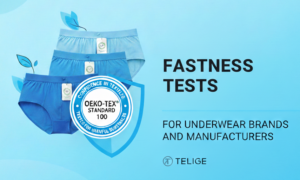
The fastness test checks how finishes and dyes resist rubbing and washing. In addition, it measures performance against light exposure and perspiration to avoid dye effects.
In other words, the OEKO-TEX® certification ensures your underwear products retain their quality and color. Thus, it ensures performance for vibrant underwear products to ensure durability and customer satisfaction.
4.5 Chemical Analysis
The chemical analysis test screens for harmful substances such as pesticides and heavy metals in the underwear products. Besides, it checks for flame retardants and plasticisers to avoid impact on the skin due to skin contact.
5. OEKO-TEX® Test Materials
All materials, such as threads, fabrics, and linings, pass the OEKO-TEX® tests since they contact delicate skin areas. Decorative elements and elastics require testing since they pose unique chemical properties and usage risks.
5.1 Decorative Fabrics
Trims and lace contain complex dyes that feature allergens and chemical content. Tests ensure these decorative features are safe for skin, while maintaining aesthetic appeal.
5.2 Synthetic Fibers
Bras feature synthetic fibers such as polyester and elastane that can contain harmful chemicals. They are critical components for durability and stretch, but undergo polymerization during the finishing process.
Hence, they can expose the end users to harmful substances that impact the skin due to contact. OEKO-TEX chemical safety testing ensures scrutiny for synthetic fibers.
5.3 Regenerated Fibers
OEKO-TEX® certification tests underwear components such as lyocell, modal, and viscose for chemical content since they contain harmful residues that impact softness. Thus, the brand must ensure that the regenerated fibers it contains ensure breathability.
5.4 Organic Cotton Fabrics
The procedure to finish and dye organic cotton can expose it to harmful substances that might degrade your underwear. Therefore, the OEKO-TEX® certification ensures that the organic cotton meets strict safety measures for chemical properties.
6. Wrapping Up!
The OEKO-TEX® certification can be an essential label that showcases your underwear products are safe for the end users’ skin. Yet, the manufacturer must ensure all the products pass and perform well in all critical tests. The manufacturer or brand you work with must ensure quality and total compliance with the regulations.
7. Buy Telige OEKO-TEX® Certification Underwear Now!
Are you looking for a reliable bra supplier with extensive experience in the industry? Look no further! Telige is a trustworthy company that values clients’ health and satisfaction over draining profits from buyers. The company sells underwear products for women, ensuring quality products that can serve you longer.
Telige offers diverse underwear products that meet OEKO-TEX® certification requirements. Thus, the brand promotes safety and ensures healthy skin for customers. Reach out to the company today through their official website to get started now!