
Meta Description: Find out common problems in bra production and how manufacturers solve them through innovation and the use of advanced materials.
Common Problems in Bra Production and How Manufacturers Solve Them
Navigating the world of bra making is really tough. Companies that sell bras need to understand the problems that impact bras from the factory to the store. This guide will discuss the problems in making bras and the new solutions manufacturers are using in 2026.
1. Problems in Bra Production Meaning
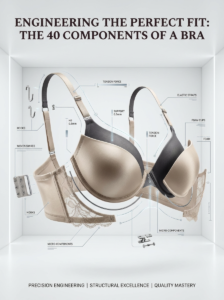
When we talk about problems in bra production, we mean the structural and logistical issues that arise during bra production. Bras are complicated garments that need up to 40 different parts. Problems occur when these parts do not work well together, affecting both quality and fit.
2. Common Problems in Bra Production
Making bras is a complicated process. It entails sewing many parts together. It can lead to mistakes that can halt the entire production line. Here are nine common problems that manufacturers face today.
2.1 Inconsistent Sizing and Fit Issues
The biggest problem in the bra industry is sizing. Any small change in the process of making bras can result in bra fit problems and make a big difference in how it fits. For instance, if you don’t do the seams correctly, it will not fit. Bras need to support body types, but traditional methods of making bras do not always consider breast shape, leading to fit problems and returns.
2.2 Fabric Quality And Durability Issues
To keep the bras clean, they require regular washing. If the fabric is of low quality, washing regularly makes it loose. In other cases, it could change its color. Bras will lose their shape after a few wears, which affects the brand’s reputation.
2.3 Poor Support and Structural Design
The main purpose of a bra is to support. Many designs have problems like underwire poking through straps, slipping, or weak bands. These problems occur when you use the wrong materials or when the design is not good. The final product is less supportive.
2.4 Manufacturing Defects
Because bras have many parts, mistakes can happen during production. These mistakes include stitching, misaligned hooks and eyes, or sharp edges. To avoid these mistakes, manufacturers need to have quality control checks that inspect every part of the bra.
2.5 Comfort Issues
People want bras that are comfy but not heavy. Unfortunately, the traditional production methods leave seams that irritate the skin and feel heavy. Also, they feature labels that rub against the body and cause chafing. Also, when manufacturers prioritize support over comfort. So wearing such a bra can feel uncomfortable.
2.6 Complex Design & Pattern
Modern bra designs are complicated and should not have bra fit issues. They have many parts, which makes production difficult. Moreover, each seam or decorative element increases the risk of mistakes during production.
Also, grading patterns for designs is hard because lace and fabric do not always stretch the same way.
2.7 Tech Integration Challenges
With the rise of bras that have sensors or special fabrics, manufacturers face new challenges. Normal sewing machines may damage such materials. Also, washing the bras may ruin the sensors. So manufacturers need to find a way to integrate the two aspects.
2.8 Material Shortages
Bra production requires joining many different parts. Therefore, manufacturers must source the parts from different suppliers. It could lead to problems if there are shortages. In addition, geopolitical issues such as wars, as is happening in the Middle East, cause shipping delays. It can make it hard to get supplies. A shortage of a single part can interrupt the process and stop production.
3. Solutions to Common Problems in Bra Production
Bra manufacturers struggle to balance fit and comfort in their manufacturing process. So they are leveraging technology, such as computers, to improve quality. Also, they are deploying machines that enhance precision in the manufacturing process. Here is how they are solving common production problems.
3.1 Inconsistent Sizing and Fit Issues
Manufacturers are leveraging the new technology. For instance, they are using 3D body scanning and digital grading to produce bras that fit. Also, 3D Models help designers see how the bra will fit on different body types. It reduces waste and improves bra fitting.
3.2 Durability Problems
To address durability issues, manufacturers are using high-quality materials to fix problems in bra production and improve bra quality. Also, they test the fabrics to see how it will hold up after washing before rolling out mass production.
3.3 Poor Support and Structural Design
Manufacturers are using advanced technology such as 3D knitting, and laser cutting to try to solve bra fitting problems and make bras more comfortable. Further, they use molded cups and ergonomic underwire casing to provide additional support. It eliminates the discomfort common in traditional underwires.
3.4 Manufacturing Defects
Errors and mistakes could lead to defects. So, manufacturers are using automated inspection systems to detect errors and fix problems in bra production. These systems detect and fix errors before the end of the production process. It reduces and eliminates defects.
3.5 Comfort Issues
Manufacturers are aware that comfort issues can impact the product demand. So they use new production methods, such as seamless 3D knitting and laser cutting, to enhance comfort. These new methods eliminate seams, creating a smooth, comfortable finish.
3.6 Sustainability Challenge
The apparel manufacturers must produce quality but eco-friendly products. However, it is not easy, given that a single bra may require piecing together many different parts. A single bra can have over 20 parts from different materials. For instance, it may require the use of nylon, spandex, and metals. Ensuring all these parts are recyclable is hard.
So bra makers must find a way to balance between quality and environmental concerns. To solve this problem, they use recyclable materials and reduce waste through the use of technology. Also, they are using biodegradable materials such as glue.
3.7 Complex Design & Pattern
A small error in the pattern is one of the problems in bra production, likely to ruin a bra fit. So manufacturers enhance precision by using pattern nesting and automatic laser cutters to make complex designs. It improves accuracy and fitting. The techniques ensure that the left and right cups are symmetrical and fit well.
3.8 Tech Integration Challenges
Manufacturers use advanced machines and techniques in their bra-making endeavors. The bras need sensors and other accessories that help to monitor the health of the wearer. But fitting batteries into smart bras or collecting accurate signals is a big challenge. To address the challenges, they use robots to attach sensors and other components to the materials.
3.9 Supply Chain Issues
Relying on foreign raw material supply is a big problem. There is a need to use local materials and replenishment methods before depleting the stock. To address the challenge, leading manufacturers source the material locally. Additionally, they use blockchain technology to track their inventory. It ensures they place new orders before their old stock runs out. It reduces raw shortages and ensures consistent production.
4. Conclusion
Making bras is a difficult task because of the many problems in bra production. The manufacturer must think about how it works and how it looks. The manufacturers use technology to make sure the bras fit right but remain eco-friendly.
For lingerie, they have to ensure that their products are of quality. They also must identify reliable supply chains to ensure consistency. Also, they must innovate to remain at the top.
5. Buy Top Lingerie Trends from Telige
Ready to update your store with the bra trends? Telige offers quality and trendy bras for all sizes. They embrace new technology to produce high-quality, comfortable lingerie. Partner with them to bring the future of intimate apparel to your store today.