
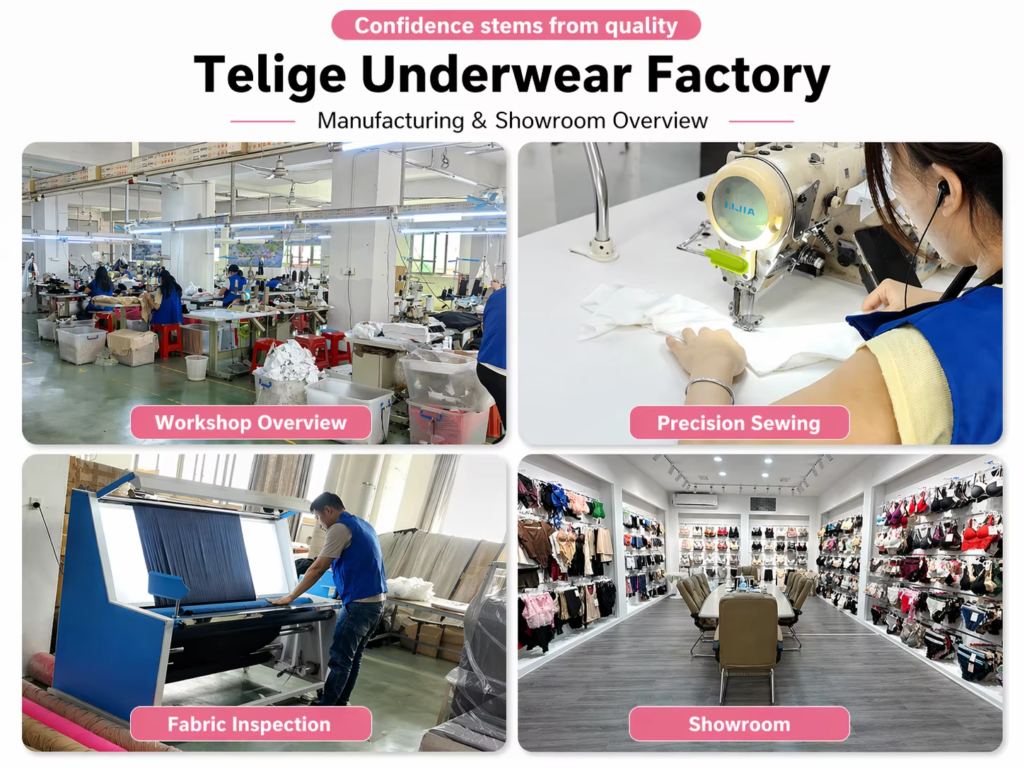
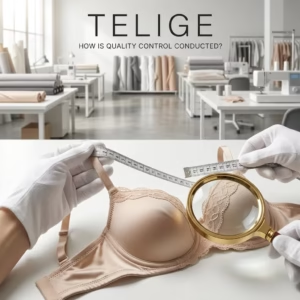
Underwear manufacturing is a trade of quality. Have you ever wondered what tests and quality measures undergarments undergo to ascertain safety? In the ever-evolving world of fashion, quality, especially for underwear, is a vital aspect for success of any brand. It is not just a formality, but a vital necessity necessitated by the high competition in the industry, and the stakes are high, and revenue is projected to keep growing in the global market, but quality is a key factor. Any defect must be addressed sooner with detail, which now leads to quality control and inspections. This article delves into the quality control process for underwear manufacturers and why every stage of the process matters.
Why Quality Control in Underwear Manufacturing Matters
Cheap underwear points directly to low quality control standards which manifests through fabric breakage, which taints the reliability and safety aspects. Consumers are now more aware of their choices and do not mind going a coin deeper to get what is best and of quality. In the undergarment industry, the quality control process has a specific template for inspection at every stage of the manufacturing process to verify the quality of the final product. The general process looks into some key aspects such as fabric defects, unmatching color shades, loose threads, fiber quality, stitching, holes or stains, exposed notches and pulled yarns among others, but it is even stricter with undergarments.
Pre-production quality control
This stage of the quality control process entails inspection of the fabric and undergarment samples before cutting and sewing. It includes checking the fabric composition and its alignment to the projected specifications, such as the fabric type, polyester, cotton or even a blend. The equipment used for production is inspected not to have any defects to work as expected to avoid defective products.
The step also entails inspection of the weight and thickness of fabric to meet the required standards, crucial for consistency across the entire underwear. The print and patterns and their alignment is also verified for correctness of the fabric, as it directly impacts the appearance of the final product. This stage guides in supplier selection to match the quality requirements for the fabric and raw materials, and happens before full-scale production begins.
In-Process Quality Control
In-process quality control happens during the production of the undergarments. It entails monitoring the production stages to detect any defects early. The quality of the manufactured undergarments. At this stage, inspection of seams strength is done through application of controlled force to ensure they can withstand regular wear, tear and without fraying.
In the craft and assembly inspection is conducted thoroughly so that there are no damages done such as product stacking, double stitching or any other anomalies. It seeks to minimize errors in layering, design and cutting among other defects. Any errors detected will be noted and the undergarment marked as defective, and eliminated from the next step of inspection.
Visual Inspection of Underwear
The undergarment which has completed the production process is then visually inspected for signs of defects or damage such as excess stitches and garter failure. This inspection process addresses any imperfections on the lingerie and any defective products do not pass this step. The defects noted on the items leads to them being labeled in categories such as minor defect, major defect or critical defect. For minor defects, the minor issues such as loose stitches and exposed garters are rectified by sewing.
For major defect items, it may be color mismatch, design defects and undesirable general appearance, the proper alterations needed are met for approval for use. On the critically defective undergarments, they are beyond repair and have proven hazards to health and wellbeing.
In this step, other vital tests such as anti-microbial tests, chlorine bleach tests and elastic construction tests are also carried out. The antimicrobial agents should be confirmed to work as set out through microscopic analysis on bacterial contamination. Underwear reaction to cleaning agents is conducted to evaluate whether the fabric fades. The undergarment is also tested for appearance when submerged in water, hence the test ensures they are still in pristine condition even after the initial soaking.
Sewing Inspection, Labeling, and Packaging Inspections
For the underwear that have undergone the visual inspection, they also undergo other inspections and tests to avoid post production errors. These include packaging tests, labeling tests, fatigue tests, stretch tests and pull tests on the accessories. For instance, unreliable accessories such as zips and brasserie hooks, the lingerie will be undesirable despite the quality of the fabric. Accessories are crucial as consumers may judge the undergarments’
quality through them.
For label verification, the inspection adheres to the strict labeling requirements in the markets. In some markets, missing or incorrect labels may lead to underwear rejection or even lead to a fine. As a rule, labeling information should entail;
- Country of origin
- Fiber content of the underwear
- Manufacturer’s, distributor’s or importer’s information
- Sizing information
- Washing and other caring information
The process also includes matching the different labeling requirements for different materials.
Packaging inspection includes ensuring the packaging is suitable to protect the underwear while in transit, and in compliance to the market regulations of the target destination. Improper packaging can lead to delays or total rejection at customs, or even the underwear getting damaged.
Continuous Improvement and Tracing
The factory should always maintain all the inspection records even after the pre-production and post-production quality control processes. This is vital to enhance traceability of any issues spotted in regular inspection to maintain the industry best practices. Manufacturers should also be up-to-date with the technological advancements and new developments in the inspection process for detection of defects.
Consumer Feedback
One of the key aspects of quality control that any manufacturer should never forget is acting on the consumer feedback. Manufacturers of underwear should create platforms specifically for consumer feedback, whereby any quality issues and improvement suggestions are accessed.
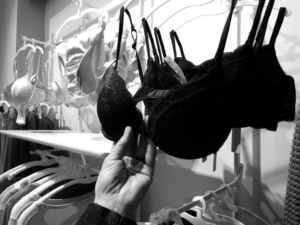
Quality control in undergarments production therefore comes in handy for any brand or factory that seeks to sustain its operations. As such, it is vital that the factory sets the standards for underwear quality, implement quality inspection procedures, have a competent team to monitor and test for quality, always take corrective action and make efforts for continuous improvement. It also means that the manufacturer applies a quality and efficiency model proven for the industry, as quality is a strategy, not an option.
Conclusion
One may have wondered, why quality control would matter for undergarments? Why would a factory care about the quality of underwear? It is the life of the factory. As explored in this article, the process of quality control entails diverse approaches to maintain consistency and underwear that convinces. Quality control is basically to set and maintain standards, which in turn create brand loyalty among consumers, sustain the income levels and create trust for the product in the market. Once the underwear passes the final inspection, the quality control label is then applied to indicate the reliability of the product. Items which pass the quality control inspections are suitable for shipping and distribution to markets. The quality control process is a full cycle starting from sourcing of fabric, the production equipment standards, the in-production and post-production inspections and the information on the final product, including after shipping.
Turn the QC Checklist into a Factory Brief
Before production, define the approved sample, measurement tolerances, material and color standards, label details, packaging and inspection timing. See how a Shantou bra manufacturer supports sampling and quality planning, then send your project requirements for a style-specific review.