
Different Types of Bra Closures Explained
Introduction
Technicalities usually determine how successful your lingerie brand will be when you are creating one. The types of bra closures are not only a matter of appearance but also of creating an item that is secure and comfortable. For designers and buyers who purchase in large volumes, learning about these elements is the first step towards a perfect fit.
1. What are Bra Closures?
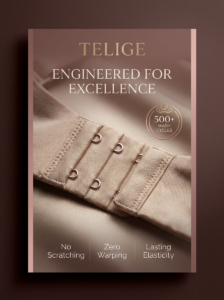
A closure is the equipment or structural design that enables a wearer to get into and fasten the garment in the world of intimate apparel manufacturing. They must withstand hundreds of wear-and-wash cycles.
The right types of bra closures should maintain their elasticity after several washes. Well-made fasteners are indicative of your brand’s overall artistry and help avoid the usual consumer grievances of scratching, snapping, or premature warping.
2. What are the major types of closures?
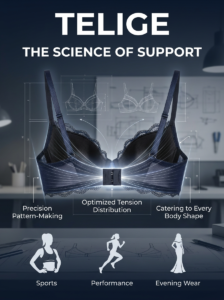
The fastening point is an important part of a bra. It determines whether the different style bras are suited for different body shapes. It also determines the purpose for which the bra can be used, such as sports, performance, or evening wear.
Typically, the location of the closure varies the distribution of tension within the band. The distribution is a very important factor to consider when designing different types of bras for your line, because the position of the closure influences the pattern-making process and the final result.
2.1 Pullover (Closure-Free) Styles
Pullover designs do not use any hardware; instead, they use high-recovery fabrics such as spandex blends. They are part of the staples in the leisure and Gen Z market segments. There are no mechanical fasteners, so the emphasis is on the quality of the elastic. These are the most popular low-impact bra types. Although they save time and money on assembly and hardware costs, the fabric should be high-quality to prevent permanent stretching of the band.
2.2 Side Closures
A specialist option that can be frequently seen in vintage-inspired lingerie or premium bridal wear is side closures. On shifting the fastening point to the side, designers can make an entirely smooth, continuous back- perfect with backless dresses.
This style often uses a concealed zip or a small hook-and-eye closure. Although aesthetically superior in some outfits, they may be harder for the end user to match with than other types of bras.
2.3 Front Closures
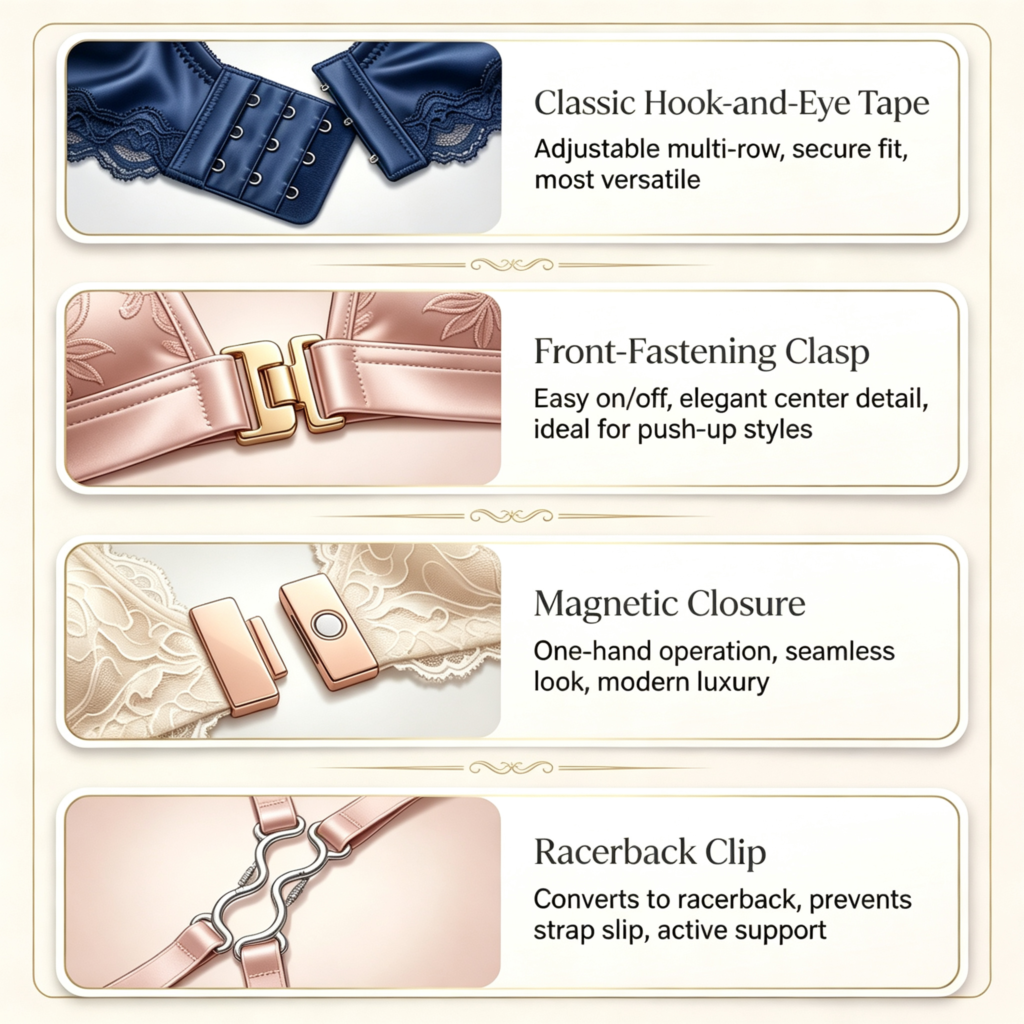
Front closures are either “click-and-lock” or have a barrel clasp between the cups. It is a very practical design to use as a racerback or for clients with very little shoulder movement. It maintains a constant distance between the bridges, which can help produce a specific cleavage effect.
Nonetheless, since you cannot adjust the front closures like the back straps, the fit needs to be exceedingly accurate to allow the band to deliver the necessary support without being too tight.
2.4 Back Closures
The hook-and-eye back closure is the industry standard. It is the most flexible, with a typical three rows of hooks to choose from to enable the wearer to fit the garment tighter as the elastic naturally loosens with months of wear.
It is the most flexible one with other style bras, whether they are ordinary T-shirts or heavy-duty balconettes. It offers the highest level of customizability, which is why it will be the safest choice in the mass-market retail and for different cup sizes.
3. Materials of Bra Closures.
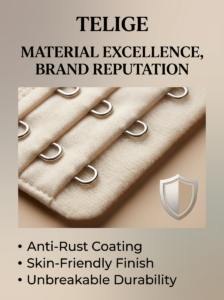
The hardware of your lingerie should be durable because it determines how many sales you make. Rust, skin irritation, and broken hooks result from using cheap materials. Such issues could easily undermine a brand’s reputation.
The quality of the sourcing of high-quality components plays a crucial role in ensuring a high-quality feel.
3.1 Fabric Backing
The “tape” that holds the hooks and eyes consists of nylon or microfiber. In high-end brands, heat-sealed edges are better than stitched ones. It prevents the corners from poking the wearer’s skin.
This reinforcement should be gentle but support the metal pieces when there is high tension, without tearing up the lace or mesh that surrounds them.
3.2 Plastic Components
Most people prefer plastic for front-clasping bra closures. It is light and hypoallergenic. In addition, dyeing it is easy.
But the type and quality of resin the manufacturer uses is important. Law-quality resin may crack over time or break when exposed to intense heat during dry cleaning.
3.3 Metal
Metal fasteners provide high weight and strength. The common ones are stainless steel or iron. The metals have nylon coatings that prevent the metal from becoming cold to the skin and protect against oxidation.
In “ultra-luxe” collections, brands tend to plate zinc alloy in gold or rose gold, making the hardware a jewelry component of the garment.
4. Selecting the Correct Bra Closure

Deciding which fastener to use involves a trade-off between your production budget and your customer’s requirements. Consider the hardware in relation to the fabric and the level of activity the wearer intends to engage in.
4.1 Factor Cost and Sourcing
In sourcing, the price of the types of bra closures is just a segment of the equation. Another consideration you will need to make is the Minimum Order Quantities (MOQs) and shipping lead times.
The advantage of purchasing in bulk is that it will be cheaper, and you may get some color-matching tapes.
4.2 Functionality vs. Aesthetics
Gold fasteners are the best. They are elegant, but do not offer the security of a high-impact sports bra. Take into account the mechanical load.
The more hook-and-eye (like a 4-row closure) is required in plus-size lines to spread the pressure evenly, but a dainty single-hook fastening is enough for smaller, ornamental pieces of fashion, where appearance matters more.
4.3 based on the Target Market (Comfort vs. Fashion)
Whereas wellness and all-day wear are important to your target market, emphasize broad, padded back closures that are unnoticeable when worn under clothing. For the high-end market, include hardware and ornaments to enhance visibility.
Understanding your clients’ daily routine can help you decide whether to prioritize convenience with a front clasp or reliability with a back hook.
4.4 Supplier Reliability and Customization.
Your supplier is more than just a vendor. Find one that can customize your products. However, they should be consistent and deliver your orders on time. Your supplier with insight into lingerie engineering can guide you around typical pitfalls during the sampling stage.
5. Conclusion
The choice of bra closure types is a trade-off among manufacturing, durability, and consumer comfort. For lingerie brands and retailers, the hardware you select can be the difference between a garment lasting long and the end user being completely satisfied. Starting with the smooth appearance of a pullover style or the durability and robustness of a vintage back hook-and-eye, it is non-negotiable to use quality materials.
6. Purchase Various Kinds of Bra Closures at Telige.
Are you ready to take your business to the next level? Telige offers a wide selection of professional-grade bra closures to fit any design. You may need custom-dyed tapes, hard metal fasteners, or hypoallergenic plastic fasteners. We offer the hardware that your brand can count on. Collaborate with Telige and ensure your next lingerie line is of high quality.