
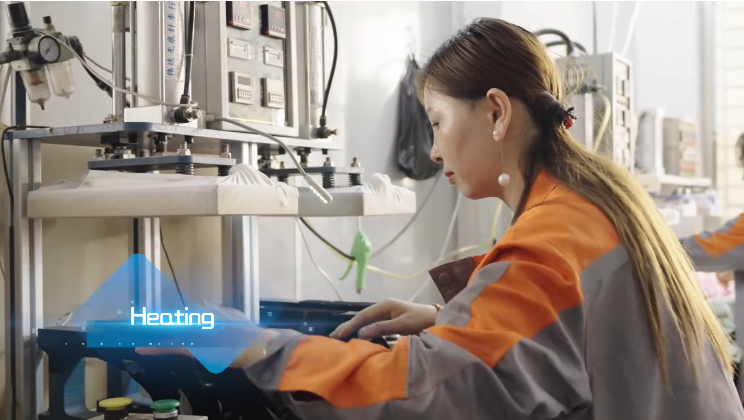
Sustainable bra manufacturing certifications are critical for improving your market value and strategizing raw material use. Meanwhile, end users choose a sustainable bra manufacturing brand over other options.
Are you planning to strategize your bra company or business for sustainability? This post unravels critical ideas and strategies you must implement to get the best results.
1. Sustainable Bra Manufacturing Meaning
It is a manufacturing process that begins with the design and production of bras while minimising environmental impact. Sustainable lingerie production enables bra brands and firms to manage resources efficiently and uphold ethical practices.
Yet it is a strategic approach to ensuring responsible raw material planning and energy installations. The results would be transparent supply chains and reduced waste.
、 、
、
2. Practices in Sustainable Bra Manufacturing
The rationale for adopting sustainable bra manufacturing is to reduce harm while increasing quantity and quality. Efficient production and sourcing are top priorities. Also, responsible waste management and efficient production are necessary.
Manufacturing firms that implement all these eco-friendly practices for lingerie production experience reduced costs and improved compliance. Sustainability is a system designed to improve the ethical practices of lingerie manufacturing.
2.1 Transparency In The Supply Chain
Bra manufacturing requires supply chain transparency to enhance efficiency. It requires clear documentation of the material’s source and processing. The process must also include those involved at each stage.
Transparency in the chain forces brands to be environmentally compliant and to source ethically. Firms that disclose the source of material build credibility and trust. The openness strengthens the relationship while supporting adherence to ethical, eco-friendly standards for bra production.
2.2 Ethical Labour Practices
Workers involved in bra manufacturing expect to be treated fairly and remunerated appropriately. They also need to work in a safe environment. Therefore, sustainable bra manufacturing requires full compliance with labor laws. It means brands should adopt eco-friendly production methods and reduce labor turnover.
2.3 Reduced Waste Cutting
Brands must reduce fabric waste in their sustainable, eco-friendly bra production processes. They must employ digital cutting and optimize pattern layout. What’s more, manufacturers can ensure offcut reuse by installing effective technologies to minimize raw material costs and reduce emissions.
Bra brands stand out in the market by adopting zero-waste design practices. The main aim is to support resource efficiency and attain sustainable lingerie production.
2.4 Energy Efficient
Energy efficiency reduces the carbon footprint of the bra manufacturing industry. Some steps brands take include adopting energy-saving equipment and machinery. The brand should adopt LED lighting and use renewable energy to improve efficiency. Brands should adopt efficient production scheduling to reduce excessive energy consumption.
3. Sustainable Bra Manufacturing Materials
The fabric used determines the quality of the manufactured bra. It influences comfort and durability. Also, the material determines the product’s environmental impact.
Brands should use biodegradable and renewable materials. Other choices for sustainable manufacturing include materials that use fewer chemicals.
3.1 Combination Fabrics
Customers look for comfort and durability in bras. They also look for stretchability and its beauty. As such, sustainable bra manufacturing must use fibers with enhanced properties. Fiber makes synthetic materials nonviable.
Brands may use cotton or recycled elastane. The two enhance comfort while reducing environmental pollution. Appropriate fabric blending enables brands to transition to sustainability without compromising the bra’s wearability.
3.2 Ethical Lace
Ensure responsible sourcing of lace’s raw materials to support sustainability. Ensure you use organic material with limited or no chemical content.
3.3 Tencel and Bamboo
Bamboo and Tencel can be effective raw materials for your bra products. These materials are renewable and readily available. Also, they have minimal environmental effects. Their fibres are soft and suitable for bras.
3.4 Recycled Fabrics
The procedure for sustainable bra manufacturing involves sourcing the right materials with minimal environmental impact. Thus, an excellent idea is to recycle fabric from waste materials like nylon and fishing nets.
These materials are recycled to provide raw materials. The main benefits of using recycled fabric in eco-friendly bra production include minimal degradation and reduced carbon emissions. The end products are comfortable and durable bras.
3.5 Organic Cotton
Organic cotton is the most suitable for lingerie production. It is soft and good-looking, and the wearer feels better. It makes it the best raw material for high-quality bra brands.
When used in lingerie, the final products are appealing and skin-friendly. It helps manufacturers maintain product quality. The product is safe for long-term skin use. Organic materials in eco-friendly bra production give your brand a competitive edge.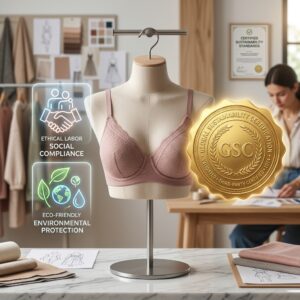
4. Sustainable Bra Manufacturing Certifications
A company that claims sustainability should get third-party reviews. A sustainable bra manufacturing brand needs certification to validate its claims.
It demonstrates that the brand has complied with both social and environmental requirements. Certification provides buyers with more information about the product. It enables them to choose among the many brands on the shelf.
4.1 Cradle Certification
The certification checks components and the raw material sourcing process. It tests to ensure the product design minimizes material waste. Meanwhile, sustainable bra manufacturing recommends organic options.
4.2 OEKO-TEX Standard 100
This certification tests chemicals in bra raw materials, components, and products to ensure user safety. It alerts end users about the presence of heavy metals and dyes in bra products, as these components can be harmful to the skin. In other words, the bra comes into contact with delicate skin, which may cause reactions due to chemicals.
4.3 Global Organic Textile Standard
Manufacturers must use organic materials to ensure social responsibility. Therefore, GOTS assesses the critical environmental and social impacts associated with bra products to ensure the use of safe materials and responsible recycling.
5.1 Consumer Trust
Brands must be honest and deliver on quality to earn trust. It helps them attract new customers and retain existing customers.
5.2 Environmental Protection
Brands must strategize sustainable bra manufacturing to attain environmental conservation and reduce air pollution. Thus, critical strategies include recycling and using clean energy throughout the process.
5.3 Market Competitiveness
Sustainable bra manufacturing initiatives give a brand a competitive advantage. They make the brands attract more consumers.
6. Conclusion
Your brand must plan a process to ensure effective, sustainable bra manufacturing and secure a future return on investment. In any case, your business must ensure good worker relationships and safeguard their well-being.
7. Buy Bra Products with Telige Now!
Are you looking to work with a reliable company that supplies high-quality bras through sustainable, eco-friendly production processes? Telige invests in sustainable bra manufacturing to ensure quality products and transparent supply chains. Check out the company’s official websites to compare bra products for options that suit your needs.